Wellness providers and family-focused businesses often serve people with overlapping needs, even when their services appear unrelated. A parent visiting a skin care clinic may also be looking for recreational activities, educational opportunities, or practical services for the household.
A family-oriented business may connect with customers who value personal wellness, professional development, and community involvement. These shared interests create opportunities for businesses to collaborate in meaningful ways.
Successful partnerships involve more than exchanging referrals or sharing advertisements. They require a clear understanding of each audience, complementary services, and a plan that benefits everyone involved. A well-designed collaboration can introduce customers to useful resources, strengthen local business relationships, and create new opportunities for engagement without relying on aggressive sales tactics.
By identifying compatible partners, developing relevant joint initiatives, and measuring results, businesses can build relationships that grow over time. The following strategies explain how to create these partnerships while respecting customer needs, professional responsibilities, and each organization’s identity.
Develop Complementary Service Packages That Appeal to Shared Customers
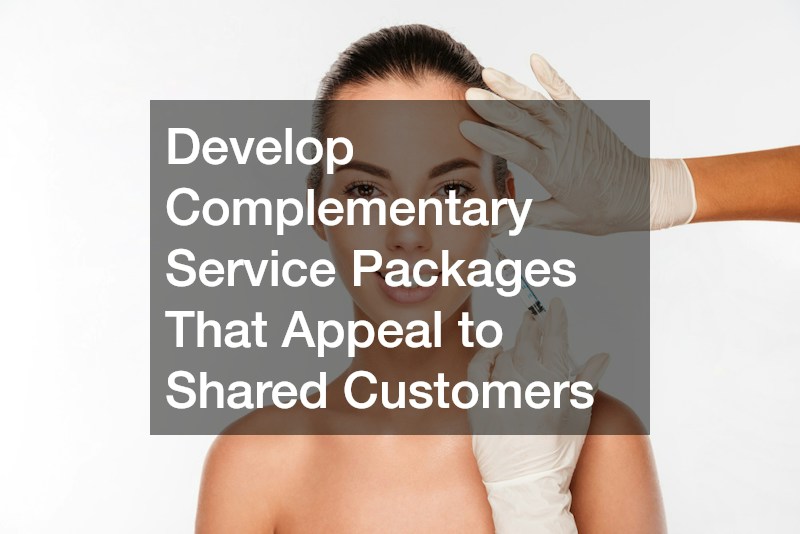
Partnerships work best when businesses serve similar audiences without offering competing services. A skin care provider, for example, may connect with a wellness studio, salon, or lifestyle business whose customers are interested in personal care. The goal is to introduce people to relevant services while allowing each provider to maintain its own expertise and customer relationships.
Businesses offering microneedling can collaborate with complementary providers through educational events, coordinated promotions, or referral arrangements. These partnerships should focus on helping customers understand available options rather than suggesting that one service automatically produces better results when combined with another. Cosmetic treatments may not be suitable for everyone, so customers should have access to individualized consultations with qualified professionals.
Useful partnership ideas include:
- Host an educational event: Discuss skin care options and questions to ask before choosing a treatment.
- Create a resource guide: List participating businesses, service descriptions, and booking details.
- Offer introductory consultations: Let interested customers learn about a provider before making a commitment.
Before promoting the collaboration, agree on responsibilities, messaging, referral procedures, and applicable advertising requirements. Clear expectations help prevent misunderstandings and protect each business’s reputation.
Create Educational Events That Help Customers Make Informed Choices
Educational events introduce customers to specialized services. Wellness businesses can invite qualified professionals to explain treatment options, answer general questions, and describe what an initial consultation involves.
A business associated with Botox treatment might collaborate with a wellness center, salon, or community organization to host an information session for adults interested in cosmetic care. Cover suitability, possible risks, aftercare, and realistic expectations. Individual treatment decisions should remain between customers and appropriately qualified providers.
To make an event valuable, organizers should:
- Choose a focused theme: Cover a clear subject, such as preparing for a cosmetic consultation.
- Invite a qualified presenter: Confirm the speaker’s credentials and professional scope.
- Allow questions without pressure: Do not require attendees to book a service.
- Share follow-up information: Provide contact details for people who want to learn more.
Partners should agree on costs, promotion, registration, and attendee privacy. Disclose relevant commercial relationships, too. Helpful education builds familiarity more effectively than exaggerated claims or pressure to purchase.
Use Shared Promotions to Connect Customers With Relevant Local Services
Businesses can reach new audiences by coordinating promotions with organizations whose customers have related interests. Partners can combine visibility around themes such as self-care, family activities, seasonal planning, or local wellness resources.
A lifestyle marketplace can support this approach through business listings, curated offers, event calendars, or shared campaigns. Participating providers can introduce their services to people already exploring local options.
A coordinated promotion might include:
- A themed directory: Group providers by customer need and include clear contact information.
- Seasonal campaigns: Coordinate messages around summer recreation or holiday planning.
- Joint events: Invite businesses to contribute demonstrations or educational materials.
- Referral tracking: Use unique links or booking codes to measure engagement.
Before publishing promotions, confirm that service descriptions are accurate. Agree on who approves materials, how often promotions appear, and who handles inquiries. Reviewing results helps partners refine their approach and focus on collaborations that provide genuine value.
Build Recreation Partnerships Around Shared Family Interests
Recreation businesses can connect with wellness providers by focusing on movement, relaxation, and time spent together. These partnerships can help customers explore recreation and everyday exercise options.
Businesses that sell or promote swim spas can collaborate with fitness professionals, recreation providers, or wellness centers to explain potential uses and practical considerations. Partners should distinguish general information about aquatic activity from individual health advice. Demonstrations should accurately address installation, operation, maintenance, and costs.
Potential collaborations include:
- Demonstration days: Explain product features and questions to consider before purchasing.
- Educational workshops: Discuss activity planning and responsible use.
- Family-focused promotions: Highlight relevant local recreation options.
- Shared resource materials: Provide product-care information and service contacts.
Decide who manages demonstrations, answers technical questions, and follows up with customers. Avoid presenting a product as a substitute for medical care or implying that every activity suits everyone. Accurate information and practical guidance help customers make informed decisions while creating opportunities for referrals.
Coordinate Wellness Referrals Without Overpromising Results
Referral relationships can help customers discover relevant services, but businesses need clear boundaries. Partners should understand what each provider offers, which questions fall within its expertise, and when customers need a professional consultation rather than general promotional information.
A provider offering body contouring may build relationships with wellness businesses, personal care providers, or fitness studios serving adults interested in appearance-related services. The partnership should help people find information without promising specific results. Individualized guidance matters because outcomes can vary.
A responsible referral arrangement should:
- Define the referral scope: Identify questions that require a qualified practitioner.
- Use accurate descriptions: Avoid unsupported promises or misleading comparisons.
- Disclose commercial arrangements: Explain referral fees or discounts when required.
- Respect customer choice: Avoid pressuring people to use a recommended provider.
Agree on how referrals are recorded and whether any customer information will be shared. Get permission before passing along personal details. Review the arrangement periodically to confirm it still serves customers. Ethical promotion and informed choice make referral networks more sustainable.
Develop Training Partnerships That Support Professional Growth
Professional education gives wellness businesses opportunities to share industry knowledge and connect with emerging talent. Students gain professional exposure, and businesses support local skill development.
An esthetician program might partner with salons, skin care providers, or wellness businesses through guest presentations, career discussions, demonstrations, or approved learning experiences. Activities should match the program’s goals and comply with rules for supervision, student practice, and client safety.
Businesses can support these collaborations by:
- Inviting industry speakers: Discuss workplace expectations and client communication.
- Arranging supervised observations: Let students learn about workflows where permitted.
- Offering career sessions: Cover interviews, professional conduct, and continuing education.
- Creating mentorship opportunities: Provide structured guidance and feedback.
Before beginning, establish learning objectives, schedules, supervision, and confidentiality procedures. Clarify whether students may participate in client-facing activities. Do not present the partnership as a guarantee of employment. Clear expectations help strengthen professional networks while supporting responsible training.
Partner With Child-Focused Businesses to Reach Local Families
Family-focused businesses can collaborate with wellness providers by offering parents practical information and access to relevant community resources. Partnerships should reflect families’ needs. Choose events and promotions that fit the host organization’s purpose.
A local performing arts preschool may be interested in family resource events, parent newsletters, or community activities aligned with its educational environment. A wellness provider could contribute general information for adults, support an approved event, or join a parent-focused workshop with the preschool’s permission.
Possible approaches include:
- Prepare a parent resource guide: Share vetted local services and contact details.
- Support approved family events: Contribute materials that fit the event’s purpose.
- Coordinate parent education: Offer general information within the presenter’s qualifications.
- Share relevant promotions: Promote only services that suit the audience and school policies.
Pay close attention to safeguarding, privacy, photography permissions, and parental consent. Do not use children’s information for marketing without authorization. Agree on registration, communications, and supervision responsibilities. A respectful partnership supports the host’s mission while giving families useful information.
Create Family Resource Networks With Education Providers
Education providers connect with families seeking learning and community resources. Wellness businesses can contribute when their services are relevant to parents or staff and participation follows institutional policies.
When approaching top private schools, first learn about the school’s priorities and approval process for outside partnerships. A specific proposal explaining the benefit to families is more useful than a generic sales pitch. Potential activities include parent information sessions, approved community events, or resource materials about general wellness topics.
A thoughtful outreach plan should:
- Research the institution: Review its priorities and existing community programs.
- Present a clear benefit: Explain what families or staff would gain.
- Follow approval procedures: Ask about sponsorship, vendor, and event requirements.
- Keep participation optional: Do not make access to resources depend on a purchase.
Agree on promotion and content review responsibilities. Do not request student lists or collect information through school access without authorization. Respecting privacy and the school’s role helps keep the partnership useful and appropriate.
Use Seasonal Service Coordination to Strengthen Community Partnerships
Seasonal planning gives businesses a reason to coordinate communications and share practical reminders. Family routines and customer needs change throughout the year. Partners can use these patterns to address timely needs instead of sending unrelated promotions.
A pool maintenance provider might collaborate with pool retailers, swim instructors, recreation businesses, or family-oriented service providers before swimming season. Partners could share preparation checklists, promote community events, or direct customers to qualified providers. Technical advice should be accurate and appropriate to the source’s expertise.
Useful seasonal initiatives include:
- Prepare a shared checklist: Identify common tasks and the provider qualified to answer questions.
- Coordinate reminders: Schedule communications before seasonal transitions.
- Host an information event: Let participating businesses explain their services.
- Create a referral directory: List contacts for maintenance, instruction, and recreation.
Set a campaign calendar, approve shared content, and decide how inquiries will be distributed. Agree on measures of success, such as qualified inquiries, attendance, or customer feedback. Reviewing results after each season helps partners improve future campaigns while giving customers timely information.
Establish Responsible Referral Pathways for Specialized Support
Some customers need specialized support beyond the services a wellness provider or family-focused business offers. A maintained referral resource helps people find organizations without staff advising beyond their qualifications.
Businesses compiling information about local rehab centers accepting new clients should verify current availability, services, eligibility requirements, and contact details before sharing listings. Availability changes, and a listing does not establish that a center is appropriate for an individual. Customers should contact the provider directly to discuss their needs and options.
A responsible resource network should:
- Verify information regularly: Check current services and intake procedures.
- Explain limitations: State that listings do not guarantee admission, suitability, or outcomes.
- Protect personal information: Get permission before sharing someone’s details.
- Maintain professional boundaries: Refer treatment questions to qualified professionals.
Create a process for updating outdated listings and correcting errors. Staff should know how to respond sensitively to requests for help, especially when concerns are private or urgent. The resource should not replace professional assessment. Clear procedures help businesses respond responsibly.
Partnerships between wellness providers and family-focused businesses can create valuable connections when they address genuine customer needs. From shared educational events and professional training opportunities to seasonal campaigns and carefully managed referral networks, collaborations can help businesses reach relevant audiences while giving customers access to useful local resources.
The most effective partnerships begin with compatible goals and clearly defined responsibilities. Each organization should understand what its partners offer, communicate accurately, protect customer information, and respect professional boundaries. Written agreements, consistent follow-up, and regular performance reviews can help prevent misunderstandings and reveal opportunities to improve the relationship.
Businesses do not need to launch a large campaign immediately. Starting with one focused event, resource guide, or referral arrangement can provide a practical way to evaluate customer interest and partner compatibility. Gather feedback, review results, and make adjustments before expanding the initiative.
Lasting collaboration depends on mutual value. When businesses contribute their expertise, communicate transparently, and prioritize the people they serve, they can build stronger local relationships and develop partnerships that remain useful over time.
About the Author